Batteries and charging
One 36 volt lithium pack or three 12 volt batteries in series?
Quick answer
One 36 volt lithium pack replaces three series wired 12 volt batteries with a single case, a single BMS and two fewer interconnect cables to fail. Three 12 volt AGM batteries in series still cost less up front and are the traditional way to build a 36 volt bank, but they can drift out of balance with each other as they age in a way a single pack cannot.
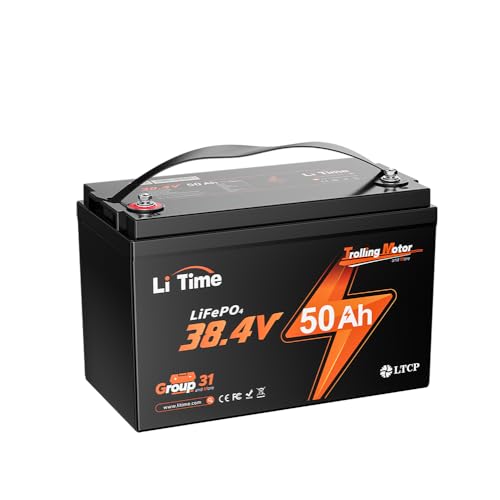
LiTime 36V 50Ah TM LiFePO4 battery with low temperature protection
$439.99 Published specsOne case wired directly to the motor, with an internal BMS keeping its cells balanced instead of three separate batteries that can drift apart
Check price on Amazon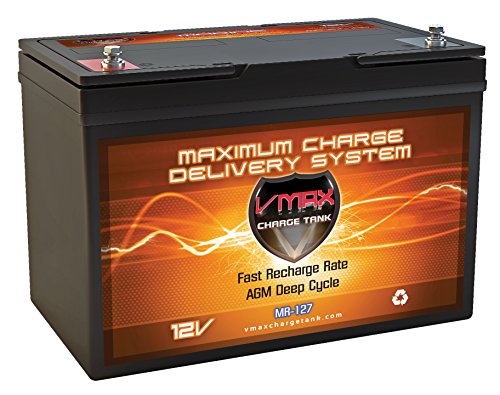
VMAX MR127 12V 100Ah AGM deep cycle battery
$259.96 Published specsThe traditional way to build a 36 volt bank, at a fraction of the upfront cost of an equivalent lithium pack
Best for: A conventional trolling motor bank where the budget rules out lithium
Check price on AmazonOne 36 volt lithium pack is the more reliable way to build a 36 volt bank, because it removes the series interconnect cables and the risk of three separate batteries aging unevenly against each other. Three 12 volt batteries wired in series is still the traditional way to get to 36 volts and it remains the cheaper path, provided you accept that the bank is only as strong as its weakest single battery.
Wiring three 12 volt batteries in series to reach 36 volts is straightforward electrically: connect positive to negative between batteries one and two, and again between two and three, then take your 36 volt feed from the one remaining positive and the one remaining negative. What that wiring does not solve is that three separate lead acid batteries do not age at exactly the same rate, and a series string only performs as well as its weakest member. A single 36 volt lithium pack sidesteps the whole problem by putting one battery management system across the entire pack instead of three independent batteries hoping to stay in step.
What each configuration is actually made of
The published specifications of a real 36 volt lithium pack against three real 12 volt AGM batteries, multiplied out using basic volts by amp hours arithmetic, show the actual scale of the tradeoff.
Three 100 Ah 12 volt AGM batteries in series total roughly 3,600 watt hours against about 1,800 watt hours for a single 36V 50Ah lithium pack, which is why the lithium pack's lower capacity number is not a straight downgrade once Peukert and depth of discharge are applied.
Published figure A published engineering, regulatory or manufacturer figure. It does not change because somebody disagrees with it.
| Configuration | Nominal capacity | Series connections | Battery management |
|---|---|---|---|
| One 36V 50Ah LiFePO4 pack | About 1,800 Wh | None, single case | One internal BMS across the whole pack |
| Three 12V 100Ah AGM in series | About 3,600 Wh | Two interconnect cables | None; each battery ages independently |
Watt hours are volts multiplied by amp hours, both published figures. Neither number accounts for Peukert loss or depth of discharge at your actual draw.
The weak link problem in a series lead acid bank
Batteries wired in series all carry the same current, whether they like it or not. If one of the three 12 volt batteries in a series bank is older, has a weaker cell, or simply came from a different manufacturing batch, it reaches full charge or full discharge before the other two do every single cycle. The charger, reading the bank's combined 36 volts, cannot tell which individual battery is the one struggling. Over enough cycles that weak battery gets pushed past its own safe limits every time the healthy two are charged or discharged correctly, and it fails first, often taking the bank's usable range down with it well before the other two show their age.
A single 36 volt lithium pack does not have this failure mode between separate batteries, because there are no separate batteries. Its internal BMS monitors and balances the individual cells inside the one case, which is a fundamentally different and more precise level of management than three lead acid batteries simply wired together and hoped to behave.
Charging changes completely between the two setups
Three 12 volt batteries in series still need a charger that outputs the full 36 volts across the bank, or that treats them as three independent 12 volt banks depending on how the boat is wired. A single lithium pack needs one thing above all else: a charger with a lithium profile rated for the pack's actual voltage. LiTime's own bundled 36V pack and charger solves that pairing directly. Whatever charger ends up on the boat, remember that a charger's amp rating is per bank, not a total split across however many outputs it has, so a three bank charger rated at 10 amps per bank delivers 30 amps total across a series wired trio, not 10 amps split three ways.
Weight and space are where lithium wins outright
The LiTime 36V 50Ah pack's own listing states a weight near 33 lb for the entire 36 volt system. Three 12 volt AGM batteries at 100 Ah each, plus their interconnect cables, add up to a genuinely large amount of lead in the bottom of the boat, and the exact combined figure depends on the specific battery model since not every AGM in this class publishes the same weight. On a boat where every pound of battery is a pound not available for people, gear or fuel, that difference is one of the clearest arguments for making the switch.
Frequently asked questions
Does three 12 volt batteries in series really equal one 36 volt battery electrically?
Yes, wiring three 12 volt batteries positive to negative in a chain produces 36 volts across the two free ends, and the motor sees no difference between that and a single 36 volt pack at the terminals. The difference shows up in reliability and in how the bank ages, not in the voltage the motor receives on day one.
Why would a series AGM bank fail even if all three batteries seem fine individually?
Because a series bank only performs as well as its weakest single battery, and that weakness is not always visible from the outside. A battery a season older than the other two, or one that took a harder discharge once, can drag the whole bank's usable capacity down well before any of the three look obviously bad on a simple voltage check.
Can I charge a 36 volt lithium pack with the same charger I used for three 12 volt AGM batteries?
Only if that charger has a lithium profile and is rated for the pack's actual 36 volt configuration. A charger built for three independent 12 volt lead acid outputs is wired and profiled completely differently from one built to charge a single 36 volt lithium pack, and using the wrong one either fails to charge the pack correctly or damages it.
What happens if one of my three 12 volt series batteries goes bad?
The whole bank's usable capacity drops toward whatever the weak battery can still deliver, since all three carry the same current in series. Replacing only the bad battery with a new one is common practice but not ideal, since the new battery is now paired with two older ones and the bank is mismatched again from day one.
Is a single 36 volt lithium pack actually more reliable than three 12 volt AGM batteries?
In terms of avoiding the weak link failure mode, yes, because there is one BMS managing balanced cells inside one case rather than three independently aging batteries connected by cables that are themselves additional failure points. The tradeoff is cost: the single pack costs meaningfully more up front than three AGM batteries of equivalent voltage.
Can I mix battery ages within a three battery series bank to save money?
It is not recommended. A newer battery paired with two older ones gets pulled down to their reduced capacity and cycled harder than it would on its own, shortening its life to match theirs. If a bank needs a battery replaced, replacing all three together keeps the bank matched and avoids one new battery quietly wearing out early.
Get the complete rigging shopping list
Every item in the beginner, intermediate and expert rigs for both a boat and a kayak, with running totals, in one printable list. No charge.
One list, no sequence of daily emails, and you can leave at any time.
Researched, not professional advice. This page is compiled from published engineering and regulatory figures, manufacturer specifications and owner-review consensus, not hands-on testing. Figures described as a rule of thumb are boating convention rather than published standards, and they are labelled that way wherever they appear. Marine electrical work is not house wiring. Use tinned, finely stranded marine cable, size it for voltage drop and for the ABYC E-11 ampacity table rather than one or the other, and put overcurrent protection within seven inches of the battery positive terminal, because everything between the post and the fuse is unprotected. A lithium battery needs a charger with a lithium profile. Never load a boat past its capacity plate, and remember that canoes and kayaks carry no federal capacity plate at all, so their stated capacity is the manufacturer own figure. Wear the life jacket, and treat early season water as the hazard it is: cold water immersion takes your breath and then your hands long before it takes your core.